
I’ve been quite busy as of late as I learn solo game development so I’ve decided to clear out our Steam Curator list. These games are too small for us to do a proper review but at the same time, we don’t want to do one-word half-arsed reviews like other curators so all of you are getting reviews in the form of essays for a while.
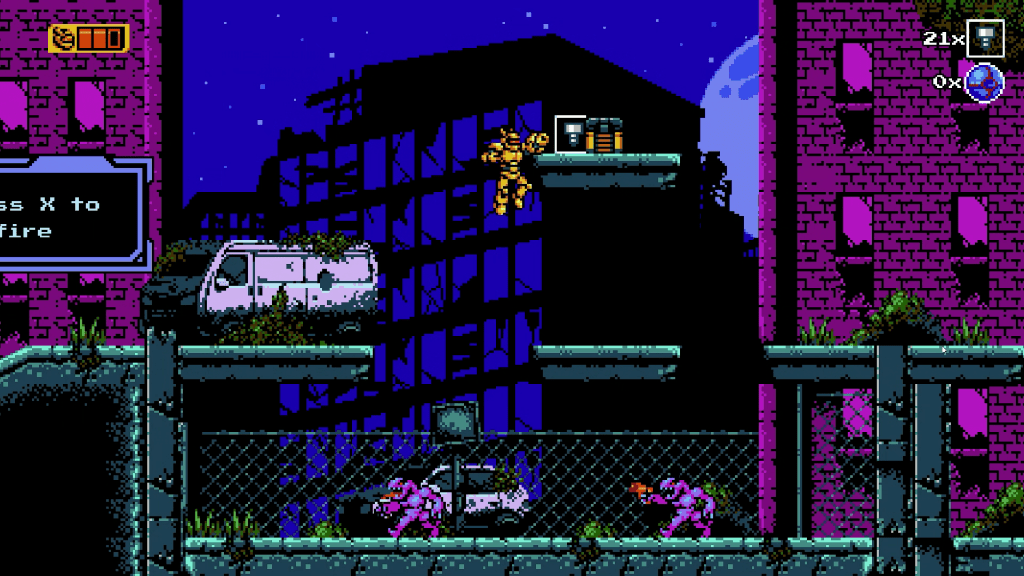
“Deathchron” takes players on a nostalgia trip, kicking off with a cinematic that evokes the essence of the original Megaman/Rockman games. The game continues by immersing players in gameplay featuring 80s-style graphics throughout. It’s a visually pleasing experience that brings back fond memories of classic games, rekindling one’s faith in game development. However, the true test begins once you start playing it.
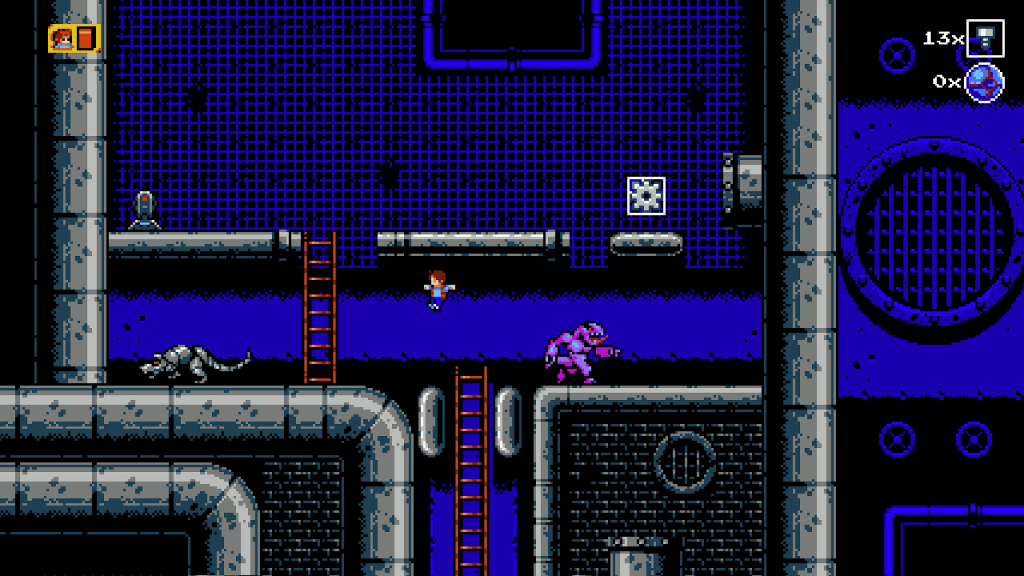
The concept behind “Deathchron” is interesting, as it involves a kid controlling a robot. The robot is equipped with shooting abilities, while the kid can navigate ladders and activate switches. The developers have attempted to strike a balance between the two, but unfortunately, neither character proves enjoyable to play as. The kid feels cumbersome, and the robot feels excessively slow. This issue is exacerbated by the demanding precision required for jumping in the levels and the enemies’ resilience, as they require numerous shots to defeat without any powerful weapons in sight. The frustration intensifies due to the frequent switching between the characters, preventing players from becoming truly comfortable with either one.
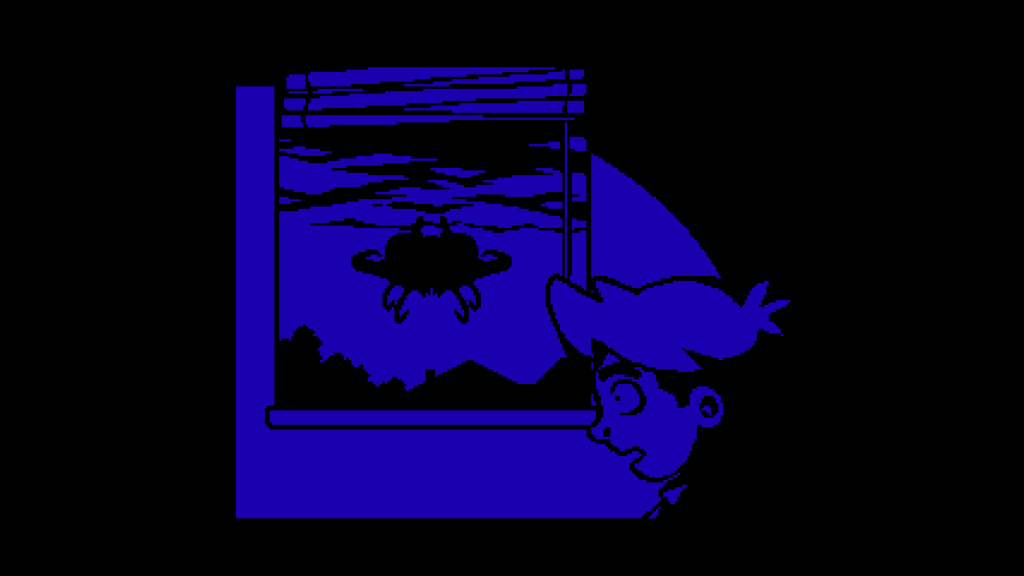
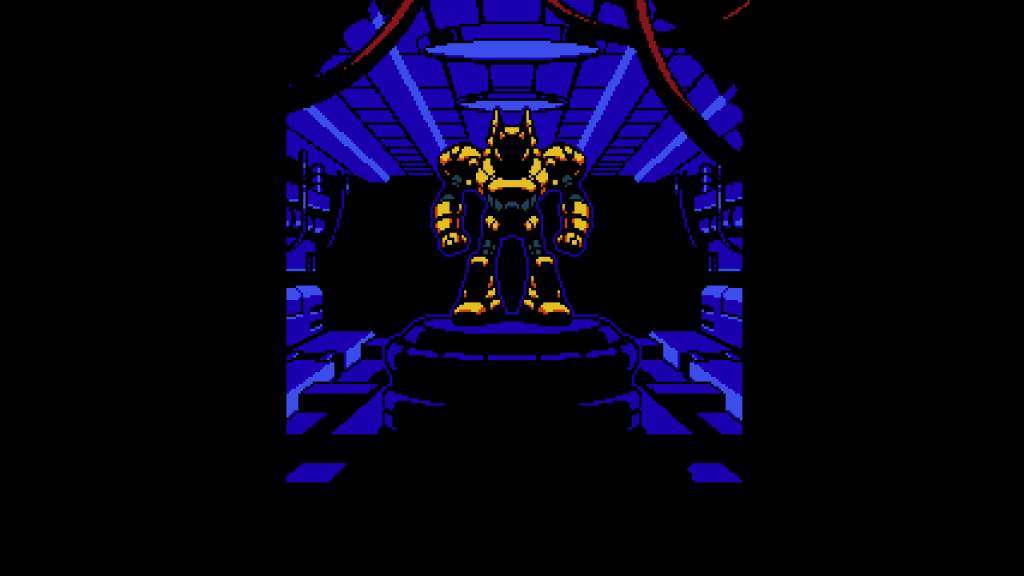
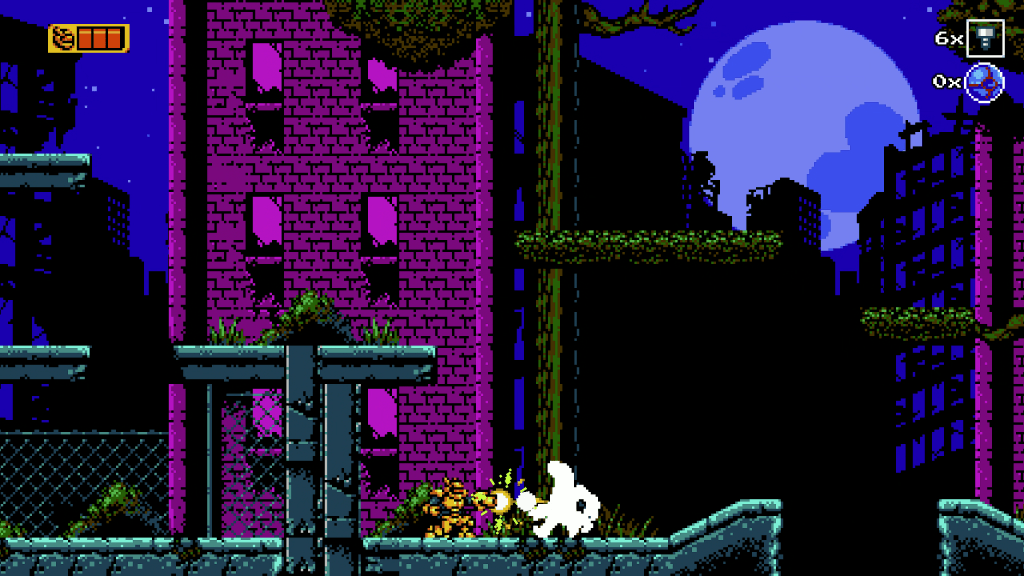

While “Deathchron” successfully captures the aesthetic of a game plucked straight from the 80s, there is a notable difference from those games. Games from that era had to meet rigorous standards before hitting the market, as developers needed to invest in cartridges to distribute their games, which came at a significant cost. This financial aspect ensured that games were designed to be easy to pick up, enjoyable to play, free of issues, and polished to a remarkable degree. Unfortunately, “Deathchron” only manages to achieve the first of these attributes. The controls are straightforward, but the overall experience falls short due to various oversights in design and other questionable choices, which we will now discuss.
- The first oversight is evident with the first enemy encounter, they are hardly staggered by your shots, allowing them to fire while you’re still in the midst of shooting.
- On the contrary, when your character is hit, they are thrown back a considerable distance, often resulting in falling off platforms and meeting an untimely demise.
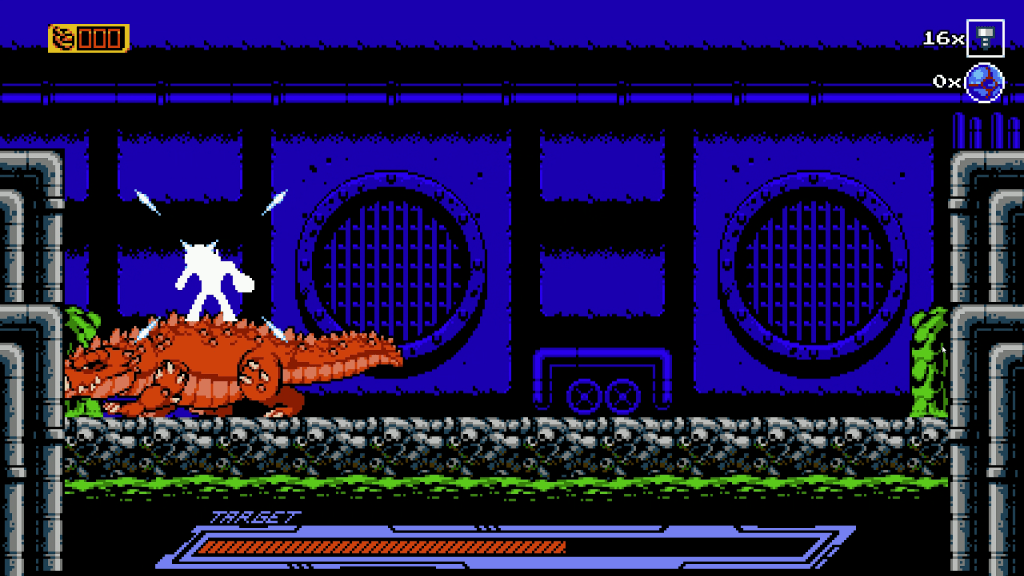
- The only way to dodge boss attacks is to jump over them but the jump isn’t high enough to do so.
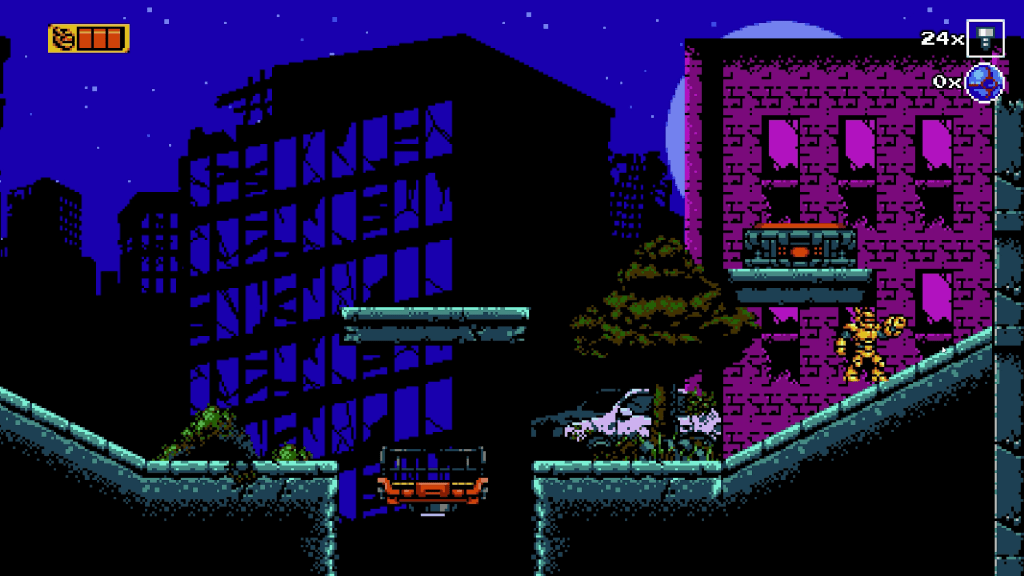
- Inconsistency plagues the platforms, with some being passable through jumping, while others are solid structures, and some merely serve as background art. My primary gripe lies in their similar appearances. The game needs to establish a clear visual distinction.
- Ladders present another issue; once you start climbing, there’s no option to jump off midway. Oddly enough, the character will jump automatically upon reaching the top. Moreover, there are instances where the character reaches the bottom of a ladder only to fall through the floor.
- Certain sections of the levels are improperly built, creating barriers that must be overcome due to their positioning being a mere 3cm too low.
- Speaking of levels, there is no way to go back to the level select screen so check twice when picking.
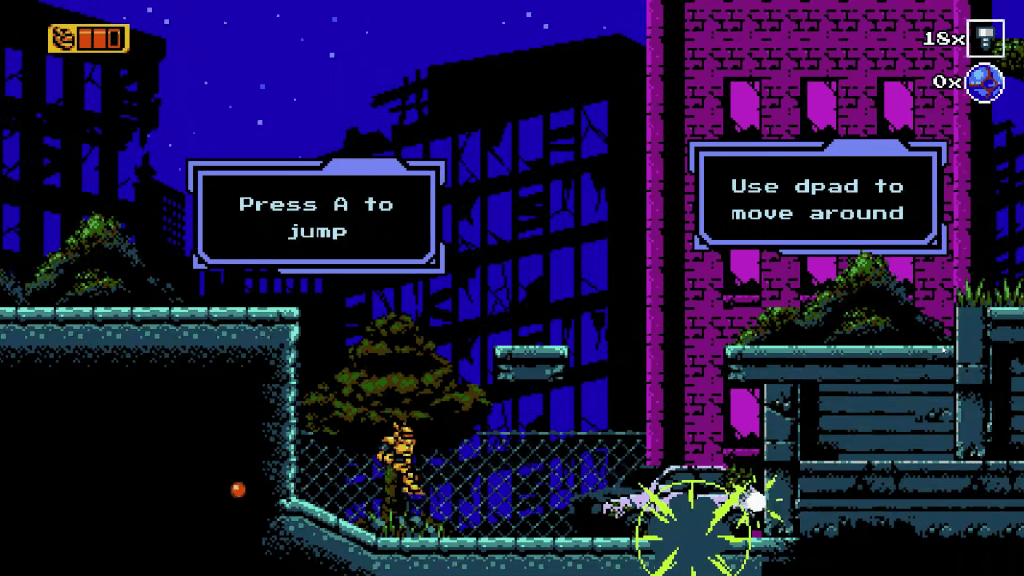
I sense potential in the game, but these problems prove too significant to overlook. Therefore, I’m currently assigning it a lower score. However, if the developers are willing to invest time and effort into addressing these issues, I would be more than willing to revisit it in the future and give it a second look.
| Pros | Cons |
|---|---|
| Retro aesthetics | Poorly told story |
| Easy to pick up | Broken level layout |
| 2 characters to control | Neither character is fun to control |
| Good idea | Too many oversights |
 Generic Gaming Blog
Leave a comment